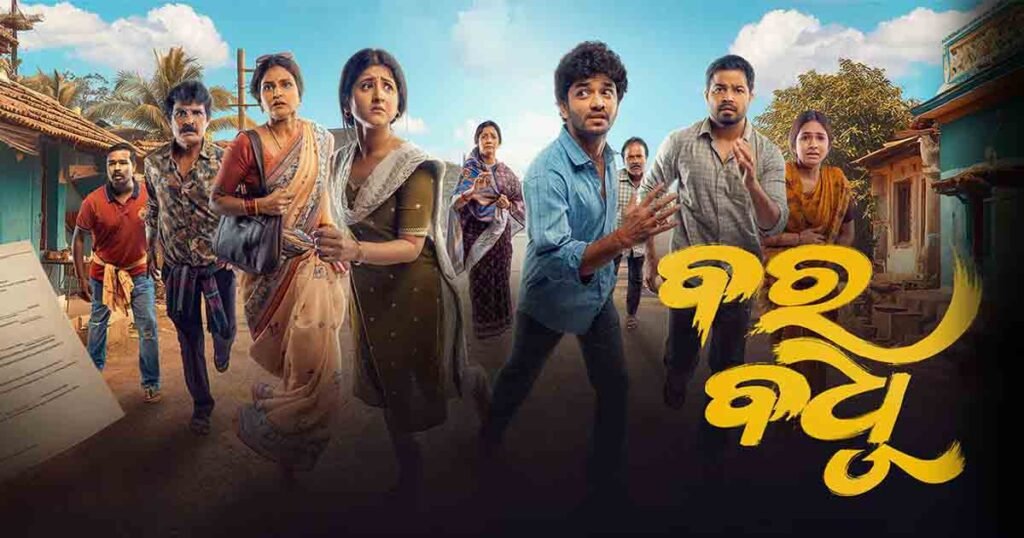
The Odia film industry has been slowly experimenting with stories that reflect real life rather than relying only on commercial formulas. In that journey, the 2026 Odia film “Bara Badhu” has emerged as an interesting attempt to present a grounded story rooted in rural Odisha. Released in theatres on 13 February 2026, just ahead of Valentine’s week, the film combines romance, social issues and emotional drama in a narrative that aims to connect with both young and family audiences.
Directed by Biswaranjan Pradhan and produced by Chandra Mani, the film brings together a mix of young actors and experienced performers. With its story centered around unemployment, relationships and the challenges of village life, “Bara Badhu” attempts to present a slice of contemporary Odia society through a cinematic lens.
For audiences who have been looking for films that portray everyday struggles and emotions rather than exaggerated action or melodrama, “Bara Badhu” offers a narrative that feels familiar and relatable.
Film Overview
Movie Name: Bara Badhu
Language: Odia
Genre: Romantic Drama / Family Drama
Release Date: 13 February 2026
Director: Biswaranjan Pradhan
Producer: Chandra Mani
Production Houses: Useful Garbage Creations, Country Boyz Studios, Sharpline Film Pvt. Ltd.
Runtime: Around 131 minutes
Music: Gaurav Anand & Bharat–Hitarth
Cinematography: Bijitesh De
Editing: Dipika Kalra
Story: A Tale of Dreams, Love and Social Pressures
At the heart of “Bara Badhu” lies a story that reflects the realities of many young people living in rural Odisha. The film revolves around Biju, played by Sailendra Samantaray, and Suman, portrayed by Sivani Sangita. Both characters belong to neighbouring villages and represent the aspirations and frustrations of unemployed youth trying to find their place in society.
The narrative explores how economic struggles and social expectations influence relationships and personal choices. Biju and Suman find themselves caught between their dreams, family responsibilities and the pressures of village society. As their lives unfold, love begins to develop between them, but circumstances complicate their journey.
One of the interesting aspects of the film is how it intertwines personal relationships with broader social issues such as unemployment and local village politics. The characters are not portrayed as larger-than-life heroes but as ordinary people navigating complicated situations. This grounded approach gives the story a sense of realism.
The screenplay gradually builds emotional tension as misunderstandings, societal expectations and personal ambitions start affecting the lives of the central characters. The film also touches upon how traditional values coexist with modern aspirations in rural communities.
Cast and Performances
The film features a combination of fresh faces and well-known actors from the Odia film industry.
Main Cast
Sailendra Samantaray
Sivani Sangita
Subhasis Sharma
Jayshree Sarangi
Suryamayee Mohapatra
Hara Rath
Bhaswati Basu & others
Sailendra Samantaray delivers a sincere performance as Biju, portraying the struggles and emotional vulnerabilities of a young man trying to find stability in life. His performance carries the emotional weight of the film.
Sivani Sangita, playing Suman, brings warmth and sensitivity to her role. Her character represents determination and resilience, especially when faced with social challenges and personal sacrifices.
The supporting cast also plays a crucial role in strengthening the narrative. Actors like Subhasis Sharma, Suryamayee Mohapatra and Hara Rath add depth to the story with their strong screen presence.
Direction and Technical Aspects
Director Biswaranjan Pradhan, who also handled the story and screenplay, tries to maintain a balance between emotional storytelling and social commentary. Instead of relying on commercial cliches, the film focuses more on character-driven drama.
Visually, the film benefits from the work of cinematographer Bijitesh De, who captures the rural landscapes of Odisha effectively. The natural settings contribute significantly to the authenticity of the film’s atmosphere.
Editing by Dipika Kalra keeps the narrative relatively smooth, allowing the story to unfold at a steady pace. The film also stands out for its technical effort, as it is among the Odia films released with Dolby Atmos sound technology, enhancing the overall cinematic experience for audiences in theatres.
Music and Soundtrack
Music plays an important role in “Bara Badhu.” The soundtrack has been composed by Gaurav Anand and Bharat–Hitarth, featuring a mix of romantic melodies and emotional songs that complement the narrative.
One of the highlights of the album is the song “Kuni Kuni,” sung by renowned Indian singer Papon, marking his debut in the Odia music industry. The soundtrack also features voices such as Krishna Beura, Ananya Sritam Nanda, Aseema Panda, Arpita Choudhury and Sourav Bharadwaj. The music adds emotional depth to several scenes and helps maintain the film’s romantic and reflective mood.
Audience Response and Reception
Following its theatrical release, “Bara Badhu” received a moderate response at the box office. Despite the modest opening numbers, the film generated discussion among Odia cinema audiences because of its attempt to present a realistic story rather than a purely commercial entertainer.
Some viewers appreciated the film’s emotional storytelling, music and performances, while others felt that the narrative pace could have been tighter in certain sections. Nevertheless, the film managed to create curiosity among audiences who enjoy socially rooted dramas.
Final Verdict
“Bara Badhu” may not be a typical commercial blockbuster, but it represents a sincere effort within Ollywood to tell stories that reflect real life. With its themes of love, struggle, unemployment and village dynamics, the film captures a slice of contemporary Odia society.
The performances, music and grounded storytelling make it a watchable film, particularly for audiences who appreciate emotional narratives and culturally rooted stories.
While the film might not revolutionize Odia cinema, it certainly contributes to the growing trend of content-driven storytelling in the industry.