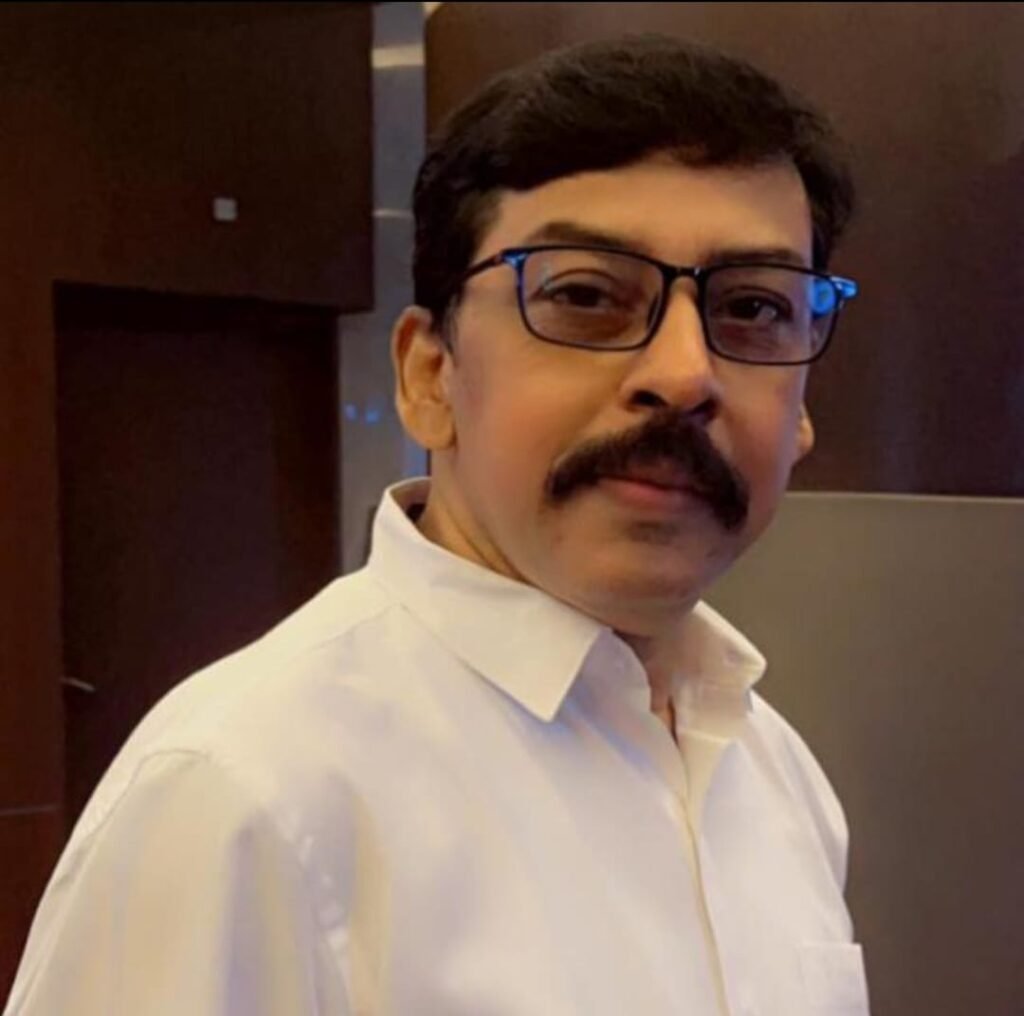
Report: Shyama Prasad Mishra
Spokesperson, Odisha Chapter
National Media Foundation, New Delhi
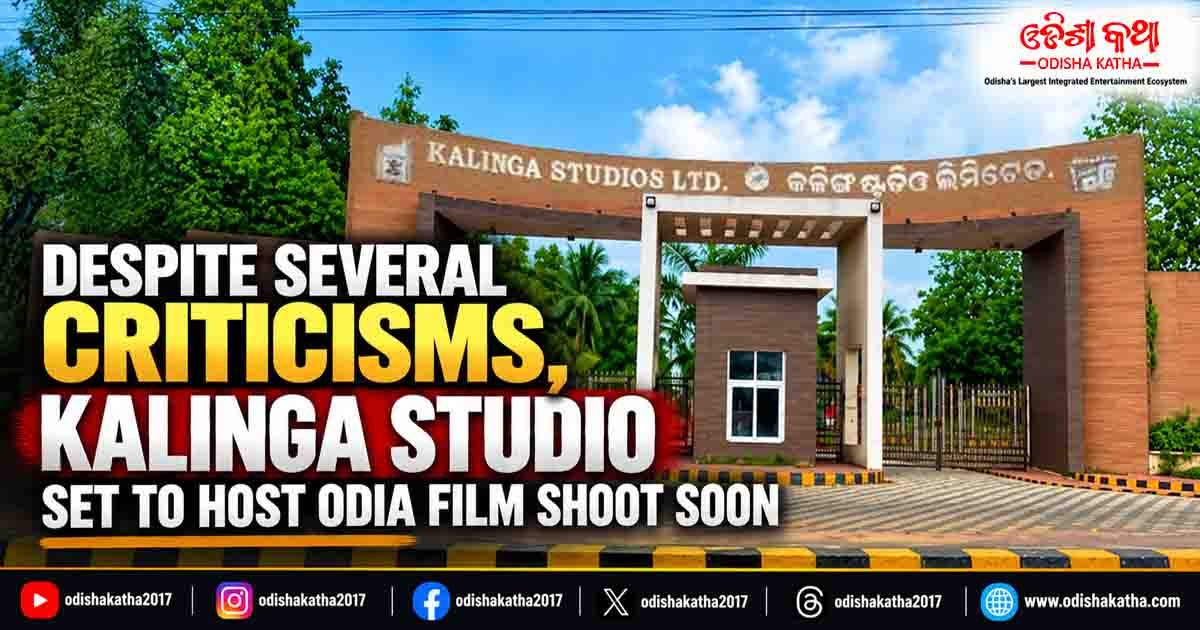
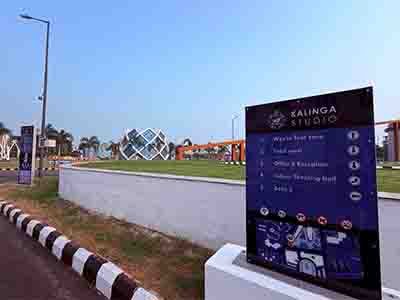
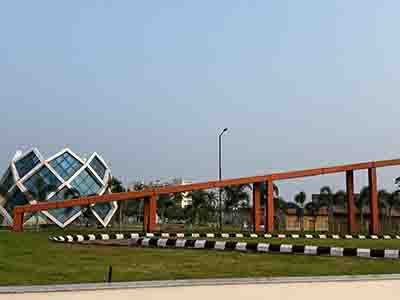
The transformation and re-inauguration of Kalinga Studio raised fresh hopes for the Odia film industry. For filmmakers, technicians, artists, and production houses, the revival of a well-known studio carries the promise of renewed opportunities, improved production facilities, and a stronger foundation for regional cinema.
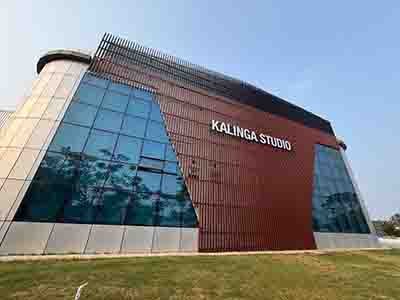
However, following its transformation, questions and critical opinions have also emerged regarding the studio’s practical suitability for film production. Some of the concerns being expressed are whether the new premises are fully equipped to meet the demands of professional film shooting or whether the transformed space is better suited as a place for visitors to explore and experience.
These concerns bring us to a fundamental question: Is Kalinga Studio ready to function as a working film studio, or does it still have to prove its worth beyond its new appearance?
Amid these discussions, a new development has brought the studio back into the cinematic conversation. An Odia film shoot is scheduled to take place at Kalinga Studio on October 21, 2026, under the direction of renowned filmmaker Appu Kanungo and produced by Sri Arvind Mishra under the banner of Waxman Entertainment. This upcoming production could become an important opportunity to demonstrate what the transformed studio can offer to the filmmaking community.
Beyond Re-Inauguration: The Real Test Begins
The rebirth of a film studio is not measured by its appearance alone. A successful transformation must ultimately be judged by its ability to serve the practical requirements of filmmaking.
Professional film production demands much more than attractive sets and visually appealing spaces. Depending on the nature of a project, filmmakers require suitable shooting floors, effective lighting arrangements, reliable power supply, sound control, equipment access, production support, and the flexibility to create different environments for different scenes.
A location may look impressive to visitors but still require adjustments before it can accommodate the technical demands of a film crew. Equally, a space that initially appears unsuitable can become a valuable shooting location when supported by the right planning, technical preparation, and creative execution.
Therefore, the questions surrounding Kalinga Studio should not be answered merely by its post-transformation appearance. Its actual usefulness will become clearer through the experiences of production teams that work there.
A Studio or a Visiting Destination?
One of the concerns circulating around the transformed Kalinga Studio is whether it has been developed primarily as an attractive destination for visitors rather than as a fully functional production facility. This distinction matters.
A visitor-oriented space is generally evaluated by its appearance, accessibility, and overall experience. A working film studio, on the other hand, must also satisfy the practical requirements of directors, cinematographers, production designers, technicians, and other crew members.
Both purposes can coexist. A studio can attract visitors while continuing to support film production. The challenge lies in ensuring that the facilities, layout, and technical arrangements genuinely serve filmmakers rather than merely creating an impressive first impression.
It would be premature to draw a final conclusion without examining the available facilities and hearing directly from production professionals who have used them. Nevertheless, the concerns themselves raise a legitimate question about the objectives of the transformation and the expectations of the Odia film industry. The real measure of success will be whether Kalinga Studio can establish itself as a dependable destination for actual film production.
Appu Kanungo and Waxman Entertainment Take a Step Forward
The scheduled Odia film shoot on October 21 brings a new dimension to the discussion. With Appu Kanungo directing and Sri Arvind Mishra producing under Waxman Entertainment, the production represents an opportunity to put the studio’s creative potential into practice.
A director’s vision and a cinematographer’s expertise can make a substantial difference in how a location is used. A set that appears ordinary or incomplete at first glance may offer unexpected possibilities through intelligent framing, lighting, camera movement, set dressing, and production design.
However, creative vision cannot replace every technical requirement. The success of a shooting location also depends on whether the production team can work efficiently and safely, achieve the desired visual and sound quality, and complete the necessary scenes within practical production constraints. That is why this upcoming shoot deserves attention beyond the announcement of another Odia film production. It provides an opportunity to observe how the transformed premises function in a real filmmaking environment. The experience of the production team may offer useful insights into the studio’s strengths, limitations, and scope for further improvement.
Can Creative Vision Change the Narrative?
Cinema has repeatedly demonstrated that the value of a location is not determined solely by its initial appearance. What may seem unsuitable to one observer may offer creative opportunities to a director who understands how to use the space.
A capable director, supported by an experienced Director of Photography (DOP), can transform ordinary surroundings into compelling cinematic frames. Lighting, composition, perspective, camera placement, and the arrangement of objects can all change how an environment appears on screen. This is where the creative vision of a filmmaking team becomes especially important. The new sets at Kalinga Studio may offer possibilities that are not immediately obvious to visitors. The upcoming production could reveal how effectively those spaces can be adapted to the requirements of a particular story.
At the same time, the film shoot should not be treated as conclusive proof that every facility at the studio is suitable for every type of production. Different films have different technical needs. What works well for one project may require substantial modification for another. A fair assessment must therefore consider both creative achievement and practical performance.
An Opportunity for the Odia Film Industry
The discussion surrounding Kalinga Studio is part of a broader conversation about the infrastructure needed to support Odia cinema. Regional film industries benefit when filmmakers have access to reliable shooting locations, appropriate technical facilities, trained professionals, and production environments that help control costs and improve efficiency.
A functional studio can reduce dependence on certain external locations, provide greater control over shooting conditions, and allow production teams to plan scenes more effectively. These advantages, however, depend on the facilities being suitable for the projects they are expected to accommodate.
If Kalinga Studio can establish itself as a dependable working destination, it could strengthen its relevance to filmmakers and production houses. If gaps remain, identifying and addressing them would be a constructive step towards fulfilling the promise associated with its transformation.
Criticism need not be viewed only as an obstacle. When supported by practical experience and objective assessment, it can help identify areas where improvements are needed. The larger objective should be to ensure that the studio serves the needs of the industry and contributes meaningfully to the growth of Odia filmmaking.
Let the Work Speak
The transformation and re-inauguration of Kalinga Studio created expectations. The concerns that followed have made its future role a subject of discussion. Now, with an Odia film shoot scheduled for October 21, the studio has an opportunity to move the conversation from appearances and opinions towards practical experience.
Will the new sets provide the flexibility required by the production team? Will the available arrangements support the creative and technical demands of the shoot? And can the studio gradually establish itself as a reliable destination for filmmakers and production houses?
These questions deserve answers based on actual use, professional feedback, and observable results rather than assumptions alone. The upcoming film shoot may be only one step in a much larger journey, but it offers an opportunity to demonstrate what the transformed Kalinga Studio can achieve.
Ultimately, a film studio is not defined merely by how it looks after renovation or re-inauguration. Its true identity is established by the films it helps bring to life.
For Kalinga Studio, the next chapter may depend on turning renewed expectations into practical results and proving that its transformation can translate into meaningful opportunities for Odia cinema. The upcoming shoot is an opportunity, not a final verdict. The studio’s long-term standing will depend on the quality of its facilities, the experience of filmmakers, and its continued ability to support real film production.
Disclaimer:
This article is contributed by Shyama Prasad Mishra, Spokesperson, Odisha Chapter, National Media Foundation, New Delhi. The views and opinions expressed are those of the author and do not necessarily reflect the views of Odisha Katha or its owner. Odisha Katha publishes this content for informational purposes and does not claim authorship of the original report or independently endorse every statement made herein. Any concerns or opinions mentioned are attributable to the author or the sources cited. Readers are advised to verify relevant information through appropriate sources.